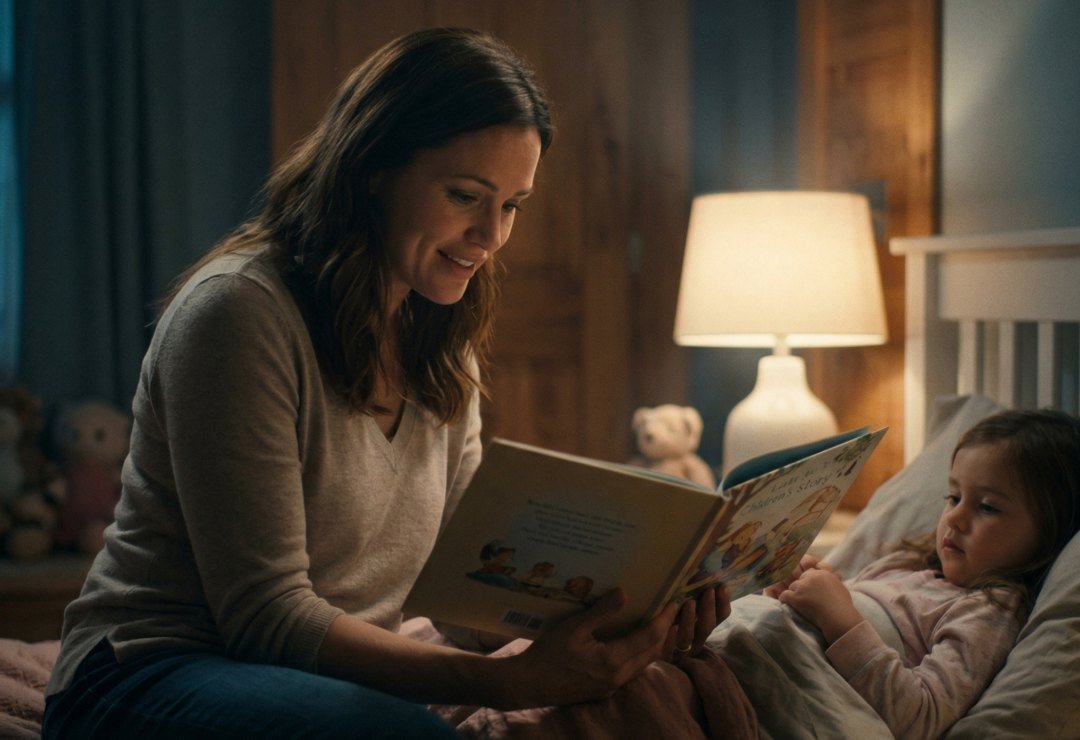
Bedtime stories are a simple way to bring comfort and calm at the end of the day. When someone tells stories before sleep, it can help the mind relax and slow down. People may look for ways to make this time special but also easy to do. Knowing how to tell bedtime stories is helpful for making evenings more restful and warm.
How to tell bedtime stories?
To tell bedtime stories, speak in a gentle voice and use simple, clear sentences to share a short story with someone before sleep. This calms the mind and helps create a peaceful mood for rest. Bedtime stories do not need to be long or complex. It is the way the story is told and the feeling of safety and care that matter most. Anyone can tell a bedtime story, even without practice, when following a simple approach.
Speaking in a Calm Voice
The way a bedtime story is told is as important as the story itself. Words should be spoken softly and slowly. Speaking gently shows comfort and makes the listener feel safe. A harsh or rushed voice can make it hard to relax. If the voice stays even and steady, it will invite sleep. Always pause after important parts so the listener can imagine or think.
Choosing Simple Details
Stories at bedtime should use simple words and clear ideas. Use details about people, places, or events that are easy to imagine. Instead of many characters or confusing action, focus on one or two main ideas. A story about a person going on a walk, or a gentle animal finding a safe home, is enough. This keeps the mind from being too busy and helps make the story easy to follow.
Using Repetition and Patterns
Repeating words or phrases in bedtime stories can be helpful. Patterns like “and then,” or repeating the same place or action, gives a soft rhythm to the story. Listeners find comfort in knowing what comes next. For example, the story may repeat, “Each night, the small cat curls up and closes his eyes.” This type of pattern helps the mind rest and expect the ending soon.
Keeping Stories Short
A bedtime story does not need to be long to be special. Short stories work best because they fit the time before sleep and do not excite the mind. A simple beginning, middle, and end is enough. For example, the start could be, “Once there was a little fox,” then, “The fox ran into the woods and found his favorite place,” and finish with, “He felt at peace, closed his eyes, and dreamed.” This size lets the mind slow down instead of waking up.
The Power of Imagination in Bedtime Stories
A good bedtime story gives space for the listener to imagine. There does not need to be a book or pictures. The listener can see the story in the mind. Sometimes, it is best not to give every detail. This gives freedom to think of colors, faces, or places in a way that feels calm. When someone tells how to tell bedtime stories, using the listener’s name or something from the day can help make the story feel close and real.
Making the Listener Part of the Story
Adding little details from the day helps the listener connect to the story. For example, if the listener played outside, the story can talk about a soft breeze or tall trees. Using real-life details in simple ways makes the listener feel known and safe. This also helps the listener focus and stay calm as sleep comes closer.
Building a Gentle Ending
It is important to give every bedtime story a slow, comfortable end. This means making sure there is no loud or scary action at the finish. A clear end, like, “And then it was time to rest,” or “The stars grew soft and sleep came,” teaches the mind it is safe to relax. This ending can use quiet sounds or words that feel soft, like “whisper,” “quiet,” or “gentle.”
Steps for Telling Bedtime Stories Well
Some simple steps can help anyone know how to tell bedtime stories with care. These steps work for any age and make telling stories easy.
Prepare the Space
Find a quiet place with soft light. It is easier for the listener to rest where it is not too bright or noisy. Sit close, so you do not need to speak loudly. This helps the story feel like a warm, safe space.
Think of the Story’s Shape
Before starting, know how the story will begin and end. Even if the story is made up, picture a clear path with not too many changes. A good bedtime story should be easy to follow with no confusing turns. It can help to use a familiar place or a theme of comfort.
Start Gently
Begin with soft words. Instead of jumping into action, start with where the story takes place or who is in it. This helps the listener picture the story calmly. A simple start may be, “In a peaceful garden, a little bird waited for the moon.”
Move Slowly Through the Story
Do not rush through the story. Take time with each part, speaking slowly. Use pauses and let the listener picture the words. If it fits, use a repeated line or sound, such as “and the wind whispered each night.”
Signal When the Story is Ending
Let the listener know when the story is close to finishing. A good sign is making the story softer, lowering your voice, or using nighttime words. Say things like, “And soon, everything was quiet…” This tells the listener that sleep is near.
Why Telling Bedtime Stories Is Special
Knowing how to tell bedtime stories gives people a way to connect with each other. It is more than just telling stories. It allows relaxed time together and brings calm at the end of the day. The simple act of telling a gentle story, with soft words and a warm voice, turns bedtime into a peaceful moment.
People do not need to remember every detail or use perfect words. What matters is the calm, the care, and the soft comfort each story brings to the night. The last voice heard before sleep can help the mind rest, the heart feel safe, and the body get ready for another day.